Why Is My Dog Losing Hair? Common Causes of Hair Loss in Dogs

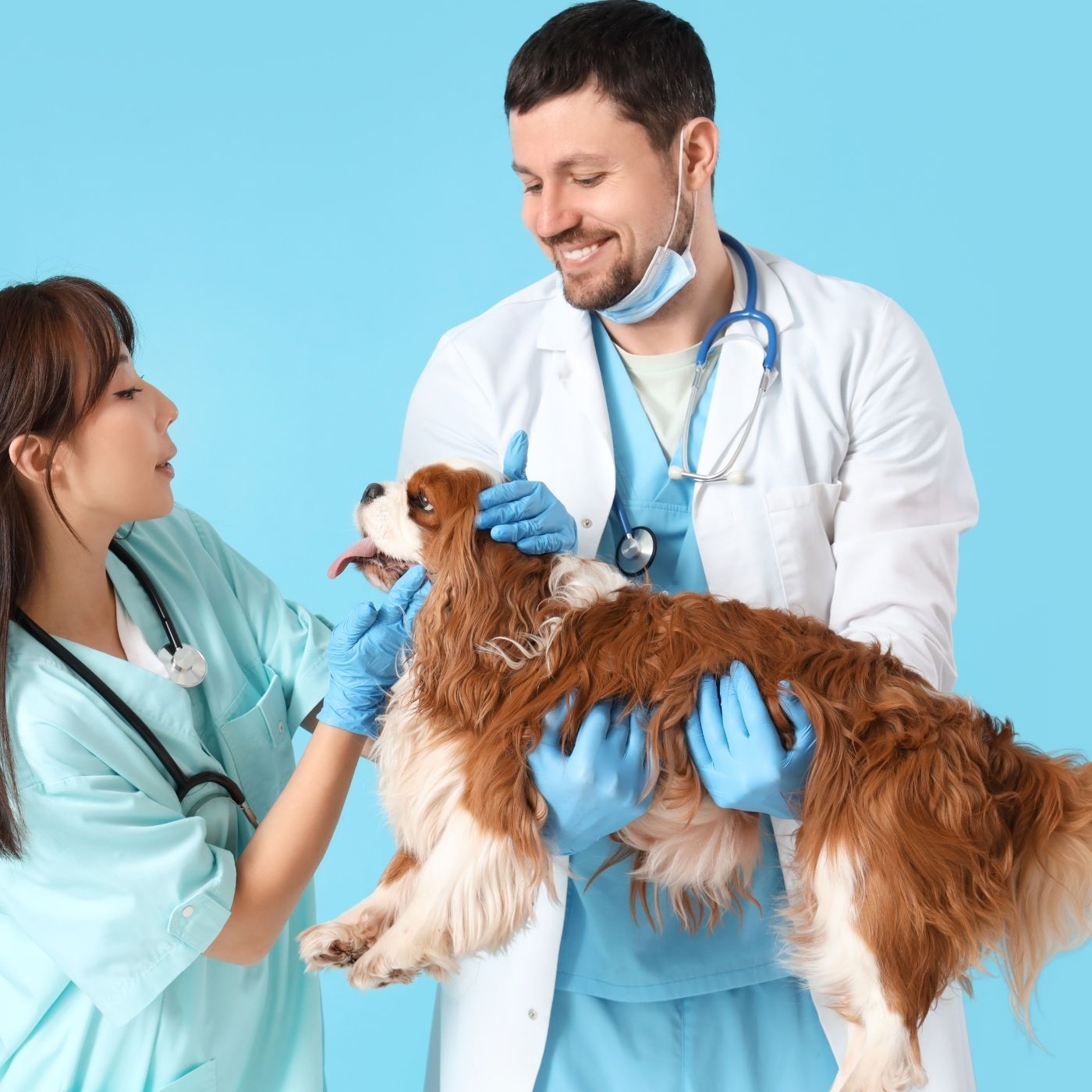
Why Is My Dog Losing Hair? Common Causes of Hair Loss in Dogs
Understanding Dog Hair Loss: Common Causes and When to Worry
The sight of a noticeably thinner coat on your beloved dog can be deeply worrying. As devoted pet parents, seeing signs of discomfort or change in their perfect fur sends a ripple of anxiety through us. You might notice patchy bald spots, excessive shedding that seems worse than usual, or skin redness accompanied by hair loss—and immediately, every possible cause springs to mind.
It is completely normal for dogs to shed, but when the loss becomes concentrated, sudden, or appears in circular patches, it signals that something underlying needs attention. Hair loss (alopecia) is rarely a single issue; rather, it is often the physical manifestation of an internal imbalance—be it nutritional deficiency, allergic response, hormonal disruption, or even persistent skin parasites. Understanding these potential root causes is the crucial first step toward helping your dog feel comfortable and healthy again.
The Skin-Level Suspects: Parasites and Dermatitis
Before jumping to complicated medical diagnoses, veterinarians always start by examining the dog’s skin. The most common culprit for acute or patchy hair loss involves irritation, infection, or parasites, which can create a vicious cycle of itching (pruritus) and subsequent scratching (self-trauma).
If the hair loss is accompanied by signs of infection such as weeping, thick yellow crusts, foul odor, or if the skin lesions are bleeding.
Specific conditions that irritate the coat include ringworm (a fungal infection), demodectic mange (a mite infestation), and contact dermatitis from irritants like grass or soap. Often, the hair loss you observe isn’t due to a primary deficiency, but rather severe inflammation in the skin itself—the site of an underlying issue.
While investigating the cause, ensure you are brushing your dog daily with a slicker brush to remove loose undercoat and prevent matting. This greatly reduces skin friction.
Hidden Factors: Nutrition, Stress, and Internal Health
If physical parasites or simple irritations aren’t the source of the problem, the focus shifts inward. A dog’s diet and overall quality of life play massive roles in coat health. Deficiencies in essential vitamins (like Biotin, Vitamin D, and Zinc) can directly compromise keratin production, leading to poor coat quality and shedding.
Amino acids, particularly those found in high-quality animal protein sources, are the fundamental building blocks of hair. A deficiency can halt the entire growth cycle.
Equally important is stress. Emotional distress—due to changes in routine, family dynamics, or even mild anxiety—can trigger a cyclical process called pseudoalopecia (false baldness). The dog’s physiological reaction to stress often causes them to pull or groom excessively at certain spots until the hair grows back in cycles, but this constant pulling can result in chronic patches.
The Allergy Spectrum: Food vs. Environment
For many owners, allergies are the prime suspects. Unfortunately, differentiating between environmental allergies (atopy) and dietary allergies can be challenging, as they often present with similar symptoms of skin irritation and hair loss.
Environmental allergies usually trigger itchy paws, ears, or chronic scratching, especially during peak seasons (like pollen season). Dietary allergies are typically related to proteins in the food source—the most common culprits being chicken, beef, or dairy. Elimination diets formulated by your veterinarian are often necessary to definitively pinpoint a triggering allergen.
High
High
Medium
Medium
Medium
Hormonal and Systemic Causes
Sometimes, hair loss has nothing to do with the skin or environment but rather a hormonal irregularity occurring deep within the dog’s system. Thyroid issues (hypothyroidism) can slow down metabolic function and lead to coat thinning, making the dog seem lethargic in addition to having poor fur. Similarly, adrenal gland disorders can disrupt the natural balance of hormones crucial for overall metabolism and skin health.
Underlying metabolic diseases, such as kidney failure or hypothyroidism, can cause systemic malnutrition that impacts the structural integrity of skin and hair follicles across the entire body.
Regular comprehensive blood work is key to ruling out these internal causes. The vet will typically look at thyroid panel results, cortisol levels, and general organ function markers (like BUN and creatinine) in addition to a full skin scraping.
Real-World Scenarios
To help illustrate how different symptoms manifest, consider these common clinical presentations:
1.
A dog presents with multiple patchy losses, primarily on the inner thighs and groin, accompanied by visible redness and minimal itching when handled. The initial vet workup ruled out parasites or diet, suggesting a primary dermatitis that requires medicated shampoos and intensive management.
2.
Another patient owner reports that the hair loss only began after introducing a new chew toy and noticing sudden changes in their dog’s skin condition. Physical examination revealed no parasites but confirmed excessive licking (behavioral component) localized around the paws and hindquarters, signaling significant anxiety or stress.
3.
A senior dog is brought in with uniform, symmetrical thinning over its back and hips, coupled with observable sluggishness and a noticeable increase in bathroom accidents. The blood panel quickly identified low thyroid function as the root cause of both coat degradation and systemic malaise.
Never self-diagnose pet hair loss. Because many causes mimic each other, a systematic approach involving skin scraping, blood work, and careful history taking is mandatory for accurate diagnosis.
Related Topics
Understanding the big picture of your dog’s health means looking at all bodily functions. If you are concerned about associated symptoms like GI upset or weight changes alongside hair loss, these articles may provide valuable context:
- Why Does My Dog Vomit After Eating? (For understanding digestive distress that can accompany skin issues)
- Guide to All 2 Pet Shops in Pindamonhangaba, SP, Brazil: Check Them Out Below!
- Guia das 3 Lojas de Pet Shop em Mairiporã, SP, Brasil, Saiba Mais!
- Guia Completo das 5 Clínicas Veterinárias em São José do Rio Preto, SP, Brasil
- How Diet Affects Long-Term Pet Health (Crucial for identifying nutritional root causes of coat issues)
- Your Guide to All 4 Veterinary Clinics in Botucatu, SP, Brazil
Frequently Asked Questions (FAQ)
Is patchy hair loss always a sign of illness?
Not necessarily. Sometimes, minor alopecia can be linked to poor coat maintenance or a temporary stressor like excessive napping in one spot. However, if the patches are progressive, itchy, painful, or accompanied by redness, prompt veterinary assessment is required.
How long does it take for the hair to grow back after addressing the cause?
This varies greatly depending on the underlying issue. If the inflammation (the skin condition) is treated quickly, healthy regrowth can start within weeks. However, if the root cause is a chronic systemic problem, consistent management and time are needed for full recovery.
Can I treat my dog’s coat condition using only human shampoos?
No. Human shampoos are formulated for human skin and often contain ingredients that are irritating or ineffective on canine skin chemistry. Always use veterinarian-recommended, medicated, pH-balanced washes designed specifically for dogs’ dermatological needs.
What role does grooming play in preventing hair loss?
Consistent, proper grooming helps manage shedding and reduces the buildup of dead skin cells. Using appropriate dental care and brushing out mats prevents localized stress and secondary infections that can lead to painful patch losses.
Is excessive grooming or licking normal?
While some chewing and occasional scratching are normal, persistent, focused grooming (especially if the skin underneath is visibly red or inflamed) indicates pruritus—an underlying itch—that needs veterinary investigation to find its source.
When should I suspect a behavioral component (overgrooming)?
If the hair loss is concentrated in symmetrical areas, or if the dog shows signs of anxiety when approached by certain people or stimuli. In these cases, behavior modification alongside medical treatment is often required.
To achieve a strong resolution for coat thinning, remember that treating the skin problem alone is rarely enough; you must work with your veterinarian to identify and manage the underlying cause—whether it’s an allergy, hormone imbalance, or deficiency. Schedule a full physical exam, including comprehensive blood testing, rather than just treating the visibly lost hair.
Keywords: dog hair loss, canine alopecia causes, dog shedding, coat thinning in dogs, pet dermatology, dog itching, feline grooming, nutritional deficiencies for dogs, vet care guide, common puppy issues, environmental allergies in dogs, hormonal hair loss, persistent skin irritation, veterinary care tips, medicated shampoo for dogs